-2.png)
5 Mistakes Businesses Make With Commercial LPG Systems

A small mistake in a commercial LPG system can lead to costly downtime, safety risks, and operational disruptions. Many businesses focus on daily operations but overlook critical LPG management practices that directly impact efficiency and safety.
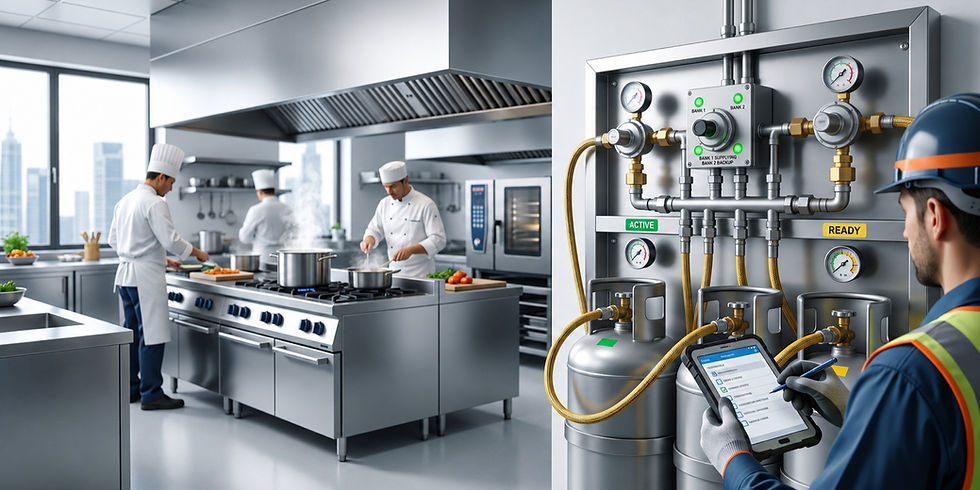
From restaurants and catering services to factories and industrial kitchens, commercial LPG systems play a major role in keeping operations running smoothly. However, improper installation, poor maintenance, and lack of planning can quickly turn a reliable fuel system into a major business problem.
Understanding the most common mistakes businesses make with commercial LPG systems can help prevent unnecessary expenses, improve safety, and ensure uninterrupted operations.
Why Proper Commercial LPG Management Matters
Commercial LPG systems are designed to handle high fuel demand efficiently. But like any operational system, they require proper setup, regular maintenance, and professional handling.
A poorly managed LPG system is similar to driving a vehicle without servicing it. It may work temporarily, but hidden problems can eventually lead to breakdowns, inefficiency, or serious safety hazards.
Businesses that proactively manage their LPG systems often experience:
Better fuel efficiency
Reduced operational interruptions
Lower maintenance costs
Improved workplace safety
Longer equipment lifespan
Let’s look at the most common mistakes businesses make and how to avoid them.
Mistake 1: Choosing the Wrong LPG Cylinder Size
One of the most common commercial LPG mistakes is selecting a cylinder size that does not match business usage requirements.
Underestimating Daily Gas Consumption
Many businesses initially choose smaller cylinders because they appear cheaper upfront. However, high-volume operations often consume gas much faster than expected.
For example, a busy restaurant operating 12–14 hours daily may quickly run through smaller cylinders, resulting in frequent replacements and operational interruptions.
Why This Creates Problems
Using undersized cylinders can lead to:
Frequent delivery requirements
Increased downtime
Higher handling costs
Staff workflow interruptions
Imagine trying to power a large kitchen using a fuel source designed for a small household. The system becomes inefficient very quickly.
Not Planning for Business Growth
Some businesses choose LPG setups based only on current needs without considering future expansion.
As restaurants, cafes, or catering companies grow, cooking demand increases significantly. Without scalable LPG systems, businesses may struggle to maintain consistent operations.
The Better Approach
Professional LPG suppliers usually recommend systems based on:
Daily operating hours
Number of appliances
Peak cooking periods
Expected business growth
This helps businesses avoid costly upgrades later.
Mistake 2: Ignoring Regular LPG Maintenance
Many businesses only pay attention to their LPG system when something goes wrong. Unfortunately, delayed maintenance often leads to larger problems and higher repair costs.
Overlooking Hose and Regulator Wear
LPG hoses and regulators naturally wear out over time due to constant pressure and heat exposure.
Common warning signs include:
Cracks in hoses
Loose fittings
Gas smell near connections
Weak flame performance
Ignoring these signs increases the risk of gas leaks and operational failure.
Example of Preventable Downtime
A restaurant experiencing gas pressure problems during peak dinner hours may lose valuable service time simply because a worn regulator was never replaced.
Routine inspections could easily prevent such issues.
Failing to Schedule Professional Inspections
Commercial LPG systems should be inspected regularly by trained professionals.
Routine inspections help identify:
Minor gas leaks
Pressure irregularities
Faulty valves
Corroded connections
Inefficient gas flow
According to industry safety studies, preventive maintenance can reduce equipment-related operational failures by a significant margin.
Maintenance Saves Money
Businesses sometimes avoid maintenance to reduce short-term costs. In reality, preventive servicing is usually far cheaper than emergency repairs or operational shutdowns.
Mistake 3: Poor LPG Safety Practices
Safety mistakes are among the most serious issues businesses face with commercial LPG systems.
Improper Cylinder Storage
Some businesses place LPG cylinders in poorly ventilated or overcrowded areas.
This creates several risks:
Heat exposure
Restricted airflow
Accidental damage
Increased fire hazards
LPG cylinders should always be stored according to safety guidelines in well-ventilated and secure locations.
Think of It Like Electrical Safety
Businesses would never overload electrical wiring intentionally. LPG safety should be treated with the same level of seriousness.
Lack of Employee Safety Training
Even well-installed LPG systems can become dangerous if staff do not understand proper handling procedures.
Employees should know:
How to detect gas leaks
Emergency shutdown procedures
Safe cylinder handling practices
When to report system issues
Simple staff training sessions can dramatically improve workplace safety.
Ignoring Small Warning Signs
A faint gas smell or unusual flame color may seem minor, but these can indicate larger system issues.
For example:
Yellow flames may suggest incomplete combustion
Hissing sounds can indicate leaks
Sudden pressure drops may signal regulator issues
Ignoring these signs often leads to bigger operational and safety problems later.
Mistake 4: Choosing Price Over Quality
Many businesses choose LPG suppliers or equipment solely based on lower pricing. While cost matters, sacrificing quality often creates long-term operational problems.
Using Low-Quality LPG Components
Cheap hoses, valves, and regulators may fail faster and require frequent replacement.
Low-quality components can lead to:
Gas leakage
Pressure instability
Equipment damage
Increased maintenance costs
In commercial environments, reliable components are essential for safety and operational continuity.
Working With Unreliable LPG Suppliers
Late deliveries and inconsistent service can severely disrupt business operations.
For example, restaurants cannot afford LPG shortages during busy meal periods.
Reliable suppliers provide:
Timely deliveries
Emergency support
Professional installation
Safety inspections
Technical guidance
Why Reliability Matters
Commercial kitchens operate on tight schedules. A delayed LPG delivery during peak business hours can directly affect revenue and customer satisfaction.
Focusing Only on Short-Term Savings
Lower upfront costs may seem attractive, but poor-quality systems often result in:
Frequent repairs
Reduced efficiency
Increased downtime
Higher long-term expenses
Businesses should view LPG systems as long-term operational investments rather than short-term purchases.
Mistake 5: Failing to Optimize LPG Usage
Many businesses unknowingly waste LPG through inefficient operations and outdated practices.
Poor Kitchen Workflow Design
Commercial kitchens with poorly arranged cooking stations may waste energy unnecessarily.
For example:
Excessive burner use
Simultaneous idle cooking equipment
Poor ventilation
Heat loss
all contribute to higher LPG consumption.
Efficient Layouts Improve Fuel Usage
An optimized kitchen setup can improve cooking efficiency while reducing unnecessary fuel consumption.
Neglecting Energy-Efficient Equipment
Older cooking appliances often consume more gas than modern energy-efficient alternatives.
Upgrading equipment may help businesses:
Reduce LPG usage
Improve cooking speed
Lower operational costs
Some commercial kitchens report noticeable reductions in fuel consumption after switching to energy-efficient appliances.
Lack of Usage Monitoring
Businesses that do not monitor LPG usage patterns may struggle to identify wastage.
Tracking consumption trends helps businesses:
Estimate refill schedules
Identify unusual usage spikes
Improve budgeting
Prevent shortages
Data-driven LPG management improves operational planning significantly.
How Businesses Can Avoid These Commercial LPG Mistakes
Avoiding these mistakes starts with proactive management and choosing the right LPG partner.
Work With Experienced LPG Professionals
Reliable commercial LPG providers can help businesses:
Select suitable cylinder sizes
Install safe LPG systems
Conduct regular inspections
Improve fuel efficiency
Ensure regulatory compliance
Professional guidance reduces both safety risks and operational inefficiencies.
Schedule Preventive Maintenance
Routine servicing should never be treated as optional.
A proper maintenance plan helps:
Prevent emergency breakdowns
Extend equipment lifespan
Improve operational reliability
Maintain workplace safety
Train Employees Regularly
Safety awareness should be part of every business operation involving LPG.
Well-trained employees are more likely to:
Detect issues early
Follow proper safety procedures
Prevent avoidable accidents
Conclusion
Commercial LPG systems are essential for many businesses, but small mistakes can quickly lead to major operational and safety challenges. Choosing the wrong cylinder size, ignoring maintenance, neglecting safety practices, prioritizing cheap solutions, and failing to optimize gas usage are some of the most common mistakes businesses make.
The good news is that these problems are preventable with proper planning, regular maintenance, and support from experienced LPG professionals.
If your business relies on commercial LPG systems, now is the right time to evaluate your setup and improve operational efficiency. Contact us today to learn how professional LPG solutions can help your business operate more safely, efficiently, and reliably.


Comments