-2.png)
Everything You Need to Know About Restaurants Gas in Singapore for Your F&B Outlet
Updated: Dec 18, 2025
Running a successful F&B outlet in Singapore requires more than great food and excellent service; it requires a reliable and safe restaurants gas system that powers your daily kitchen operations. Whether you manage a small café or a large commercial kitchen, understanding how gas systems work, the types of fuel available, and how to choose the right supplier can make a major difference in efficiency, safety, and long-term cost savings.
In this guide, we break down everything F&B owners need to know about restaurants gas in Singapore.

Why Restaurants Gas Is the Backbone of Singapore’s F&B Industry
From hawker stalls to high-end restaurants, gas remains the top choice because of its reliability, efficiency, and cost-effectiveness. With the right Singapore gas supply partner, your kitchen can achieve consistent performance while maintaining the highest safety standards.
Understanding Restaurants Gas in Singapore
Singapore’s F&B industry relies heavily on gas-powered cooking because it delivers consistent heat, precise temperature control, and faster cooking times compared to electric appliances. Most kitchens depend on a stable Singapore gas supply, whether through pipe gas, LP Gas supply, or commercial LPG cylinders.
Why Gas Is Essential for Restaurants
Provides instant heat and consistent flame
Supports high-temperature cooking ideal for Asian cuisine
More cost-efficient compared to full-electric systems
Works even during electrical fluctuations or outages
Types of Restaurants Gas Available in Singapore
Choosing the right fuel type is crucial to ensuring both performance and safety. In Singapore, restaurants typically use one of the following:
1. LPG (Liquefied Petroleum Gas)
LPG in Singapore is one of the most popular choices for F&B outlets. It comes in portable cylinders and is ideal for kitchens that require mobility and ease of installation.
Benefits of LPG for restaurants:
High heating efficiency
Easy LPG delivery and replacement
Suitable for both small and large outlets
Reliable supply from trusted brands like union gas singapore
2. LP Gas Supply via Cylinder Banks
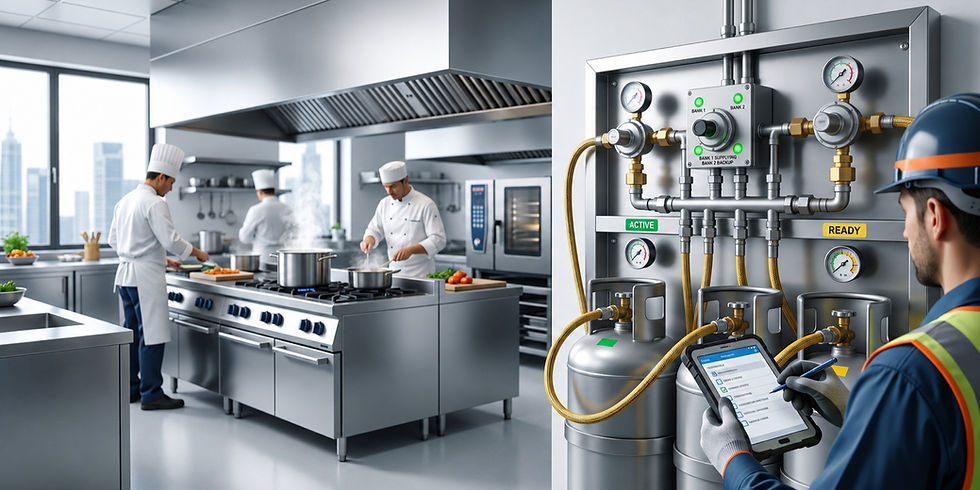
Larger restaurants or central kitchens often use a cylinder manifold system for steady LP Gas supply. This setup ensures uninterrupted gas flow even during peak cooking hours.
3. Pipe Gas or Town Gas
Some establishments are connected to pipe gas networks or use town gas in areas where pipelines are available.
Advantages:
No need to store or replace cylinders
Constant, uninterrupted flow
Suitable for long-term operations
4. Industrial LPG for Heavy-Duty Kitchens
Hotels, large chains, and catering facilities may require industrial LPG systems to support high-volume cooking throughout the day.
How a Gas System Works in an F&B Kitchen
A restaurant’s gas system typically includes:
Gas storage or pipeline connection
Regulators and safety valves
Burners and stoves
Exhaust and ventilation systems
Safety monitoring devices
A well-designed system ensures smooth gas flow, minimizes leak risks, and complies with Singapore’s strict safety regulations.
Choosing the Right LPG Supplier for Your Restaurant
Your choice of LPG supplier can affect everything from operational efficiency to safety and cost control. Here’s what to look for:
1. Reliable and Fast LPG Delivery
Restaurants cannot afford downtime. Choose a supplier that offers prompt and flexible LPG delivery options.
2. Proven Safety Track Record
Your supplier should follow strict safety protocols during installation, replacement, and maintenance.
3. Wide Range of Gas Options
Whether you need commercial LPG, industrial LPG, or town gas support, versatility matters.
4. Experience in Singapore’s F&B Industry
Trusted names like union gas singapore have extensive experience serving restaurants and commercial kitchens across the island.
Safety Tips for Handling Restaurants Gas
Gas safety is essential in all kitchens — especially high-intensity restaurant environments.
Best Practices
Conduct regular leak tests
Ensure cylinders remain upright
Keep ventilation systems clean
Train staff on emergency shut-off procedures
Schedule periodic inspections with certified technicians
Conclusion
Choosing the right restaurants gas type, understanding your kitchen’s gas system, and working with a dependable LPG supplier ensures smooth operations every day. Whether you rely on LPG Singapore, pipe gas, town gas, or LP Gas supply, investing in quality and safety will always pay off in the long run.


Comments