-2.png)
How Often Should LPG Systems Be Serviced?

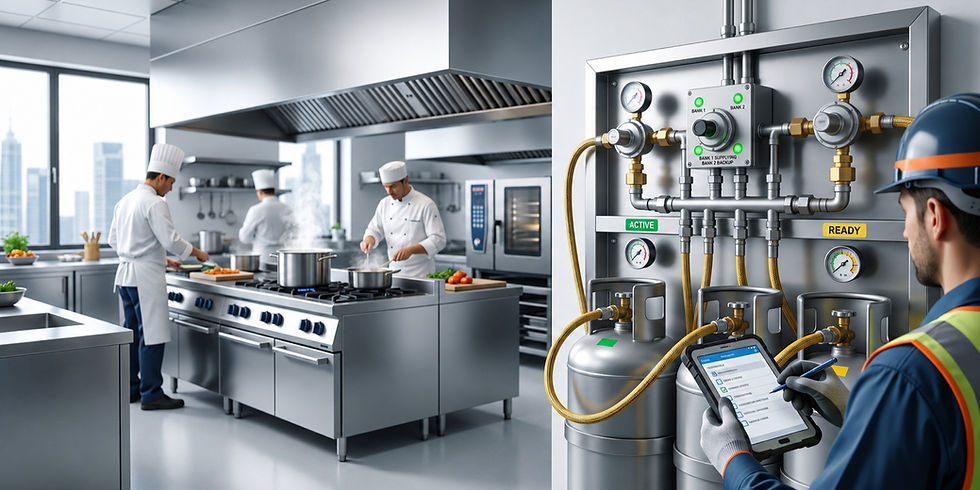
An LPG system is one of the most important components in homes, restaurants, hotels, and commercial facilities that rely on gas for daily operations. Yet many users only think about maintenance when something goes wrong. Unfortunately, waiting for a problem to appear can lead to costly repairs, safety risks, and unexpected downtime.
The good news is that regular servicing can prevent most LPG-related issues before they become serious. In this guide, we'll answer the common question, "How Often Should LPG Systems Be Serviced?", explore recommended maintenance schedules, and provide practical tips to keep your LPG system operating safely and efficiently.
Why Regular LPG System Servicing Is Important
Like any mechanical system, LPG equipment experiences wear and tear over time. Components such as regulators, hoses, valves, and burners can deteriorate due to age, usage, and environmental conditions.
Routine LPG System Servicing helps:
Improve safety
Prevent gas leaks
Enhance system efficiency
Extend equipment lifespan
Reduce repair costs
Ensure uninterrupted operation
Think of LPG servicing like a routine health check-up. Identifying minor issues early can help prevent major problems later.
How Often Should LPG Systems Be Serviced?
Quick Answer
If you're asking "How often should LPG systems be serviced?", most residential and commercial LPG systems should undergo:
Monthly Visual Inspections
Users should perform basic visual checks regularly.
Annual Professional Servicing
A qualified LPG technician should inspect and service the entire system at least once every year.
More Frequent Servicing for Commercial Systems
Restaurants, hotels, food courts, and industrial facilities may require inspections and servicing every 3 to 6 months depending on usage levels.
The ideal LPG Maintenance Frequency depends on the system type, usage intensity, and operating environment.
Recommended Servicing Schedule for LPG Systems
A structured LPG Service Schedule helps ensure all components remain in good working condition.
Monthly Checks
Users should visually inspect:
LPG cylinders
Hoses
Regulators
Appliance connections
Valves
Look for:
Cracks
Corrosion
Loose fittings
Physical damage
Gas odors
These checks take only a few minutes and can help identify obvious issues.
Quarterly Inspections
For businesses and high-usage environments:
Check gas pressure performance
Inspect burners
Review gas consumption trends
Verify safety equipment functionality
This is especially important for commercial kitchens and food service operations.
Annual Professional LPG Equipment Servicing
At least once a year, schedule professional LPG Equipment Servicing.
A qualified technician should:
Conduct leak tests
Verify regulator performance
Inspect hoses and fittings
Test valves and shut-off devices
Check appliance operation
Assess overall system safety
Annual servicing is widely considered the minimum requirement for maintaining a safe LPG installation.
Factors That Affect LPG Maintenance Frequency
Not all LPG systems require the same servicing schedule.
Several factors influence how often maintenance should be performed.
1. Usage Levels
A residential stove used a few times daily experiences less wear than a restaurant kitchen operating for 12 to 16 hours per day.
Higher usage generally requires more frequent servicing.
2. Environmental Conditions
Outdoor LPG installations may be exposed to:
Rain
Humidity
Heat
Dust
These conditions can accelerate wear and corrosion.
3. Equipment Age
Older systems typically require closer monitoring.
Components such as:
Regulators
Hoses
Valves
may deteriorate faster as they age.
4. System Complexity
Commercial LPG systems often include:
Multiple appliances
Manifold systems
Extended piping networks
More complex systems usually benefit from more frequent inspections.
How Frequently Should LPG Equipment Be Inspected?
One of the most common questions from LPG users is:
A practical guideline is:
Inspection Type | Recommended Frequency |
Visual Inspection | Monthly |
Leak Checks | Monthly or as needed |
Hose Inspection | Monthly |
Regulator Inspection | Every 6–12 months |
Professional Servicing | Annually |
Commercial System Review | Every 3–6 months |
These intervals help maintain safety and reliability.
Signs Your LPG System Needs Immediate Servicing
Even if your next scheduled service is months away, certain warning signs require immediate attention.
Gas Odor
A gas smell may indicate a leak or faulty component.
Weak or Uneven Flames
Inconsistent burner performance often signals pressure or regulator issues.
Increased Gas Consumption
Unexpectedly high usage may indicate inefficiencies or leaks.
Damaged Hoses
Cracks, bulges, or deterioration should never be ignored.
Corroded Components
Rust and corrosion can affect safety and performance.
If any of these issues are present, arrange professional servicing immediately.
LPG System Maintenance Checklist for Businesses
Businesses often require a more comprehensive maintenance program.
✔ Inspect all LPG cylinders
✔ Check regulators and pressure levels
✔ Test hoses and fittings
✔ Conduct leak detection procedures
✔ Verify emergency shut-off systems
✔ Clean burners and appliances
✔ Review ventilation systems
✔ Inspect manifold systems
✔ Document maintenance activities
✔ Schedule periodic professional servicing
Maintaining detailed records also helps support safety compliance and operational consistency.
Best Practices for LPG System Maintenance
Following proven maintenance strategies can improve both safety and performance.
Establish a Preventive Maintenance Program
Do not wait for equipment failure before taking action.
Train Staff
Commercial users should educate employees about:
Leak identification
Emergency procedures
Safe LPG handling
Replace Aging Components
Replace worn:
Hoses
Regulators
Valves
before they fail.
Use Certified Equipment
High-quality components improve reliability and safety.
These are among the most effective strategies for maintaining a dependable LPG system.
Residential vs Commercial LPG Servicing Requirements
Residential LPG Systems
Most homes benefit from:
Monthly visual inspections
Annual professional servicing
This is generally sufficient for typical household cooking needs.
Commercial LPG Systems
Many businesses ask:
When Should Commercial LPG Systems Be Serviced?
Commercial systems often require:
Quarterly inspections
Professional servicing every 3–6 months
Annual comprehensive safety reviews
Restaurants, hotels, food courts, and industrial facilities usually operate under higher demand conditions that justify more frequent maintenance.
Common Mistakes LPG Users Make
Avoid these common servicing mistakes.
Skipping Annual Maintenance
Many users assume that no visible problems means no servicing is required.
Ignoring Small Leaks
Minor leaks can develop into major safety hazards.
Delaying Component Replacement
Old regulators and hoses should be replaced proactively.
Attempting DIY Repairs
Gas system repairs should always be performed by qualified professionals.
Frequently Asked Questions (FAQs)
1. How often should LPG systems be serviced?
Most LPG systems should receive professional servicing at least once a year, while commercial systems may require servicing every 3–6 months.
2. What is the recommended servicing schedule for LPG systems?
A typical schedule includes monthly visual inspections, periodic leak checks, and annual professional servicing.
3. How frequently should LPG equipment be inspected?
Basic inspections should be performed monthly, while critical components should be professionally assessed during scheduled servicing visits.
4. When should commercial LPG systems be serviced?
Commercial LPG systems are typically serviced every 3–6 months depending on usage intensity and system complexity.
5. What is included in LPG equipment servicing?
Servicing generally includes leak testing, regulator inspections, hose evaluations, pressure checks, valve testing, and appliance performance assessments.
6. Why is LPG system maintenance important?
Regular maintenance improves safety, efficiency, reliability, and equipment lifespan while reducing the risk of costly failures.
7. What should be included in an LPG system maintenance checklist for businesses?
The checklist should cover cylinders, regulators, hoses, valves, burners, ventilation systems, leak testing, and maintenance documentation.
Conclusion
Understanding How Often Should LPG Systems Be Serviced is essential for maintaining a safe, reliable, and efficient gas system. While monthly visual inspections can help identify obvious issues, professional LPG System Servicing remains the most effective way to detect hidden problems and ensure long-term performance.
By following a structured LPG Service Schedule, performing regular LPG System Maintenance, and arranging timely LPG Equipment Servicing, homeowners and businesses can reduce safety risks, improve efficiency, and extend the lifespan of their LPG systems.
Need professional LPG servicing or maintenance support? Our experienced team provides inspections, safety assessments, preventive maintenance, and servicing solutions tailored to residential and commercial LPG systems. Contact us today, book a consultation, visit our website, or get started with a customized LPG maintenance plan.


Comments