-2.png)
Smart Monitoring Systems for Commercial LPG Usage: The Future of Efficient Gas Management

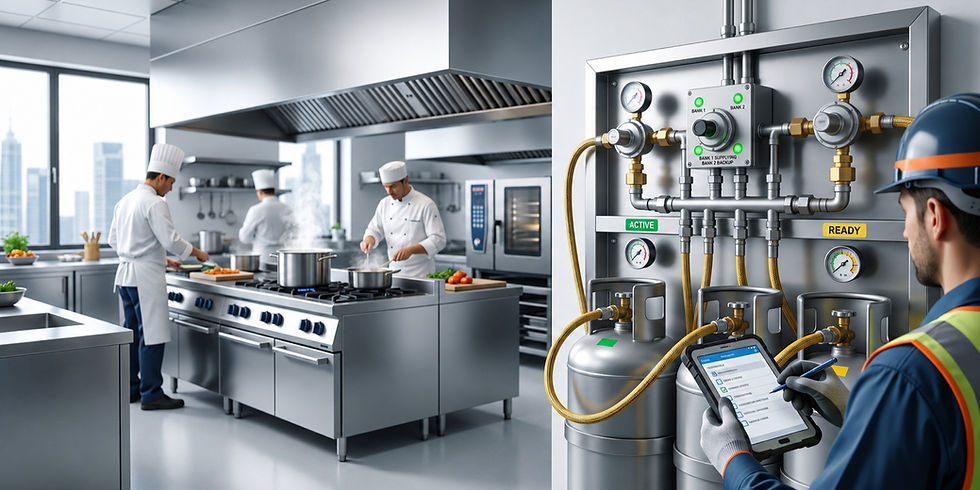
Managing LPG consumption efficiently is becoming increasingly important for businesses. Whether you're running a restaurant, hotel, manufacturing facility, food court, or commercial kitchen, unexpected gas shortages, inefficient fuel usage, and system downtime can directly impact operations and profitability.
Fortunately, technology is transforming the way businesses manage their energy resources. Smart Monitoring Systems for Commercial LPG Usage provide real-time visibility into gas consumption, improve operational efficiency, enhance safety, and help organizations make data-driven decisions. In this guide, we'll explore how smart LPG monitoring works, its key benefits, and why more businesses are adopting these advanced solutions.
What Are Smart Monitoring Systems for Commercial LPG Usage?
Smart LPG monitoring systems use sensors, communication technologies, and cloud-based platforms to track LPG consumption and system performance in real time.
Instead of relying on manual cylinder checks or estimated usage patterns, businesses can monitor:
LPG levels
Consumption trends
Pressure performance
Refill requirements
System alerts
Equipment status
These technologies provide valuable insights that support more efficient gas management.
Why Businesses Are Adopting Smart LPG Monitoring
Traditional LPG management often involves manual inspections and reactive decision-making.
Common challenges include:
Unexpected gas shortages
Excessive fuel consumption
Emergency cylinder replacements
Operational disruptions
Limited visibility into usage patterns
Smart LPG Monitoring addresses these issues by providing accurate, real-time information that helps businesses stay ahead of potential problems.
How Smart LPG Monitoring Systems Work
Modern LPG Monitoring Systems typically combine several technologies.
Sensors and Measurement Devices
Installed on cylinders, tanks, or manifold systems, sensors continuously track LPG levels and system conditions.
Data Transmission
Collected information is transmitted through:
Wi-Fi
Cellular networks
IoT platforms
Cloud-based systems
Monitoring Dashboards
Users can access real-time data through:
Mobile apps
Web dashboards
Management software
Automated Alerts
The system can notify users when:
LPG levels are low
Consumption patterns change unexpectedly
Pressure irregularities occur
Maintenance may be required
This automation reduces reliance on manual monitoring.
Benefits of Smart Monitoring Systems for Commercial LPG Usage
Businesses increasingly view smart monitoring as an essential operational tool.
1. Real-Time LPG Consumption Tracking
One of the biggest advantages is immediate visibility into fuel usage.
LPG Consumption Tracking Solutions for Businesses
Businesses can:
Monitor daily consumption
Identify peak usage periods
Compare operational performance
Detect unusual usage patterns
This information supports better planning and budgeting.
2. Reduced Risk of Running Out of LPG
Unexpected fuel shortages can halt operations.
For example:
Restaurants may be unable to serve customers.
Hotels may experience service disruptions.
Production facilities may face downtime.
Smart systems provide early warnings before fuel levels become critical.
This helps businesses schedule refills proactively.
3. Improved Operational Efficiency
Many organizations ask:
How Smart LPG Monitoring Systems Improve Business Efficiency
Smart monitoring improves efficiency by:
Reducing manual inspections
Automating fuel management
Improving inventory planning
Preventing operational interruptions
Managers can focus on business operations instead of constantly checking fuel levels.
4. Enhanced Safety Monitoring
Safety remains a top priority in any LPG installation.
Advanced monitoring systems may support:
Pressure monitoring
Leak detection integration
Equipment performance tracking
Automated safety alerts
These features help identify potential issues before they become major problems.
5. Better Cost Control
Fuel expenses often represent a significant operating cost.
By tracking consumption patterns, businesses can:
Reduce waste
Improve efficiency
Identify abnormal usage
Optimize fuel purchasing schedules
Data-driven decisions often result in more effective resource management.
Commercial LPG Monitoring for Different Industries
The benefits of Commercial LPG Monitoring extend across multiple sectors.
Restaurants and Commercial Kitchens
Restaurants often experience fluctuating LPG demand during:
Lunch service
Dinner service
Peak business periods
Smart gas monitoring helps maintain uninterrupted operations.
Hotels
Hotels use LPG for:
Cooking
Water heating
Laundry operations
Real-time monitoring supports consistent service delivery.
Manufacturing Facilities
Industrial users benefit from:
Continuous fuel availability
Production reliability
Improved maintenance planning
Food Courts and Catering Operations
Businesses operating across multiple locations can centrally monitor LPG usage from a single dashboard.
Smart Gas Monitoring Systems for Restaurants and Commercial Kitchens
Restaurants represent one of the fastest-growing adoption areas for smart LPG technology.
Benefits include:
✔ Continuous fuel visibility
✔ Improved kitchen planning
✔ Reduced emergency cylinder replacements
✔ Better consumption forecasting
✔ Enhanced operational reliability
In a busy commercial kitchen, preventing downtime can directly impact customer satisfaction and revenue.
LPG Tank Monitoring Systems: Beyond Cylinder Management
Many larger businesses use bulk storage tanks rather than individual cylinders.
LPG Tank Monitoring Systems
These systems provide:
Tank level monitoring
Consumption analytics
Refill scheduling support
Pressure tracking
Maintenance alerts
This helps organizations manage larger LPG installations more efficiently.
Key Features to Look for in Smart LPG Monitoring Solutions
When evaluating monitoring systems, consider features such as:
Real-Time Monitoring
Immediate visibility into LPG levels and consumption.
Mobile Access
Remote monitoring through smartphones and tablets.
Automated Notifications
Alerts for low fuel levels or system abnormalities.
Historical Reporting
Access to long-term consumption data.
Scalability
Support for growing business operations.
Integration Capabilities
Compatibility with existing facility management systems.
Choosing the right solution can maximize operational benefits.
The Future of Commercial LPG Monitoring
As digital technologies continue to evolve, monitoring systems are becoming increasingly sophisticated.
Future developments may include:
Artificial intelligence-driven analytics
Predictive maintenance recommendations
Automated refill ordering
Advanced leak detection integration
Enhanced energy optimization tools
These innovations will further improve efficiency and reliability.
Common Challenges Smart Monitoring Helps Solve
Without monitoring systems, businesses may encounter:
Inaccurate Fuel Estimates
Manual tracking often leads to guesswork.
Emergency Refills
Unexpected shortages can increase operating costs.
Excessive Fuel Consumption
Waste often goes unnoticed without accurate data.
Maintenance Delays
Early warning systems help prevent equipment failures.
Smart monitoring provides greater control over these operational challenges.
Frequently Asked Questions (FAQs)
1. What are smart monitoring systems for commercial LPG usage?
They are technology-driven systems that track LPG levels, consumption, and system performance in real time using sensors and digital platforms.
2. How do smart LPG monitoring systems improve business efficiency?
They automate monitoring, reduce manual inspections, improve planning, prevent fuel shortages, and support data-driven decision-making.
3. What are the benefits of remote LPG monitoring for commercial facilities?
Remote monitoring provides real-time visibility, automated alerts, improved safety, better fuel management, and reduced downtime.
4. Are LPG monitoring systems suitable for restaurants?
Yes. Restaurants benefit from accurate consumption tracking, refill planning, and uninterrupted kitchen operations.
5. What are LPG consumption tracking solutions for businesses?
These solutions use sensors and software to monitor fuel usage, analyze trends, and support operational optimization.
6. Can smart LPG monitoring improve safety?
Yes. Many systems include alerts for abnormal conditions, pressure issues, and maintenance requirements that help improve overall safety.
7. What industries benefit most from commercial LPG monitoring?
Restaurants, hotels, manufacturing facilities, food courts, catering businesses, and other commercial operations using LPG can benefit significantly.
Conclusion
The adoption of Smart Monitoring Systems for Commercial LPG Usage is transforming how businesses manage fuel consumption, improve operational efficiency, and enhance safety. By providing real-time visibility into LPG usage, automating alerts, and supporting data-driven decision-making, these systems help organizations reduce waste, prevent downtime, and optimize resource management.
Whether you're operating a restaurant, hotel, manufacturing facility, or commercial kitchen, investing in Smart LPG Monitoring can deliver measurable operational and financial benefits. As technology continues to evolve, smart monitoring solutions are becoming an essential component of modern LPG management strategies.
Looking to improve your LPG management system? Our team provides advanced LPG monitoring solutions, installation services, maintenance support, and customized gas management systems designed for commercial operations. Contact us today, book a consultation, visit our website, or get started with smarter LPG monitoring for your business.


Comments